
Rome Travel Guide

Roma: The name inverts neatly to form amor[e]. No wonder that a natural occurrence is to fall in love with Rome -- her magnificence will leave you breathless. Rome is the fabled Eternal City and Rome activities and sights create fascination in the mind of the traveler.

Rome -- romantic, resplendent Rome, can reward as no other city can. Do not expect her playful, exuberant fountains to cease from casting their liquid diamonds into the sky, even during the quiet hours of the night, for there is no stopping the flow of her hundreds of miles of aqueducts, which will also be serving your grand Rome hotel room. Yet, as no other city has been the focal point of the world for such a long period of time, as any text book or Rome travel guide will explain, few have such a long and turbulent history as has Roma. Lavished with architectural jewelry from republican to imperial to early-Christian to medieval to renaissance to modern times by history's greatest artists, the queen of cities has also experienced sieges and raids that left their scars.

But each time the Eternal City recovered from her injuries in glorious form. Roma’s history is tightly connected to the history of Europe as a whole. Not just the Roman emperors but also medieval emperors and kings, such as Charlemagne and Otto I, regarded Rome as the true seat of power; only here could their authority, through benediction by the popes, be sanctified.
"Non basta una vita," it is said: One does not have to be one of the countless academics residing in her many foreign institutes to declare that one life is not enough to get to know Roma. You could easily spend nine, like the stray cats that populate the city, and still find more to discover. At each corner of each street there is a multitude of stories to tell, with layer upon layer of history beneath the feet. A modern school occupies a renaissance palace built on the foundations of an imperial bath complex whose mosaics and aqueduct conduits can still be seen, and a baroque church incorporating the structure of a medieval basilica stands on the foundations of a republican temple. These are only two of the myriad stories in Roma, which together hardly even begin to reveal the history of this 3000-year-old city.

Be certain not to miss The Eternal City's Trevi Fountain (remember Anita Ekberg in the classic scene in La Dolce Vita), the Spanish Steps, Piazza Navona, Piazza del Popolo, as well as some of the Roman heritage sights, such as the Pantheon, the Colosseum and the Forum Romanum. Be sure to visit a few of her world-famous churches, such as Il Gesu, S. Giovanni in Laterano and Sta. Maria Maggiore; and the Vatican, which features the incredibly huge St. Peter's Basilica and the unrivaled Vatican Museums. In addition, sunrise on the Gianicolo and sunset on the Pincio, with vistas of a sea of golden domes and bell-towers, are sure to record unforgettable images on the mind.

Not far from Roma you can find the wonderful Ancient Ostia, the ancient port of Rome, where you can enjoy a great day walking among bath complexes, squares, temples, and lots of well-preserved stores, like the Tabernae, an ancient take-away Rome restaurant/pub.
Top Ten Things to Do in Rome
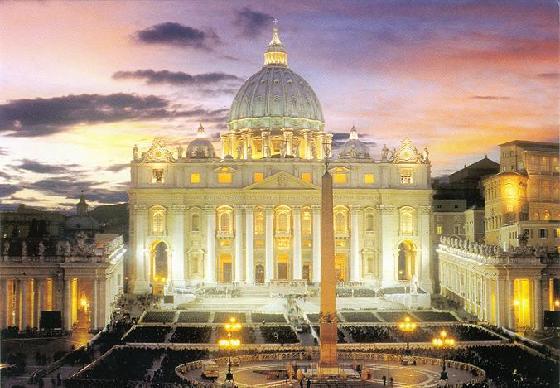
St. Peter’s Basilica – St. Peter’s Basilica is the largest church in the world. This magnificent and ancient structure features a large number of artworks, including Michelangelo’s Pieta, as well as a museum and underground tombs of former popes (grottoes), and a tower, which leads to Michelangelo’s dome. Once you reach the dome observatory, you will enjoy spectacular panoramic views of Rome. Vatican City, Rome, Ph: +39 06 6988 3712, http://www.saintpetersbasilica.org.
The Colosseum – The Colosseum attracts more visitors than any other historic structure in Rome. Tough to miss, the Colosseum reaches 159 feet into the sky and it measures a massive 616 feet by 511 feet. This ancient amphitheater was the setting for public entertainment such as the infamous (and cruel) gladiator combat spectacles as well as other forms of “entertainment.” The Colosseum, which could accommodate 55,000 spectators pouring in from more than eight different entrances, features Corinthian, Doris, and Ionic styles – the ancient world’s classical styles. Address: Piazza del Colosseo Rome, Ph: +39 06 39967700, http://www.pierreci.it.

Trajan’s Market – Considered an excellent example of urban Roman architecture. Built between 107 and 110 A.D., the market consists of warehouses, offices, and shops. Goods such as wine, oil, vegetables, fruits, and other groceries were sold here. The market also contains two spacious halls that were used for educational seminars, speeches, and concerts. Location: Via Quattro Novembre 144 on the Via de Fori Imperali at the opposite end of the Colosseum. +39 06 67900487.

The Pantheon – The 141 foot dome is the major attraction here and until 1436, it was the largest dome in the world. At more than 1,800 years old, the Pantheon offers a look back into the great Roman Empire. The Pantheon is located in the historic center of Rome – Piazza del Rotonda, surrounded by numerous cafes, street vendors, and bustle. Admission is free. Contact: +39 06 68300230.

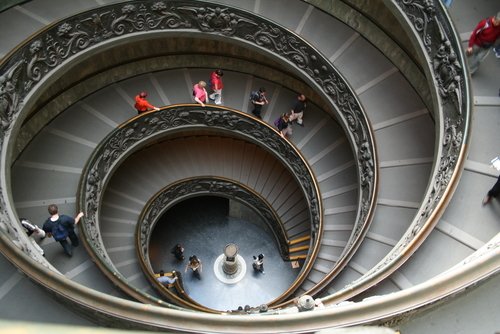
Vatican Museums – Made up of a collection of some of the world’s most fascinating museums, the Vatican Museums is actually a complex of museums which house hundreds of thousands of artworks – considered the finest collection of art on the planet. The complex includes the one of the most popular attractions in Rome – the Sistine Chapel, as well as Gregorian Egyptian Museum (founded in 1839), the Vatican Pinacoteca (opened in 1932), the Ethnological Missionary Museum (founded in 1926) and the Vatican Historical Museum, to name a few. Vatican City. Fax Reservations: +39 06 69885100 (groups), +39 06 69884019 (individuals), E-mail: visiteguidate.musei@scv.va, http://www.vatican.va/phome_en.htm.
Museum of Roman Civilization – This museum is a little out of the way, but it is a must see for all visitors to Rome. Located in the modern city Esposizione Universale Roma (or EUR), the Museum of Roman Civilization (Museo della Civilta Romana) is considered one of Rome’s most unique and interesting museums. The building itself is divided into 59 sections – each an illustration of the history of Roman civilization. EUR is located roughly 4.3 miles south the historic city center. Contact: +39 06 5926041.

Villa Borghese – If you want to take a break from all of the museums, you can take a stroll through Villa Borghese or visit the Bioparco – Rome Zoo, which sits in the center of the park. Villa Borghese is the largest public park in Rome and it also houses several museums, although there is plenty to do besides museum hopping here. The 148-acre park also has fountains, lakes, temples, and statues to explore. Bioparco: http://ww.bioparco.it.

Piazza Barberini and Triton Fountain – Piazza Barberini features several must-see Rome attractions. Built in 1643, the Fountain of the Triton was created by sculptor Berini. It consists of four dolphins holding an open clam -- Triton sits on the clam. Other attractions here include the Museum of Ancient Art – housed in Barberini Palace, and the Fountain of Bees, Via delle Quattro Fontane, 13, +39 06 32810; +39 06 4814591.

Arch of Septimius Severus – The Arch of Septimius Severus or just “The Arch,” is located at the western end of the Forum, near Capitoline Hill. The well-preserved site

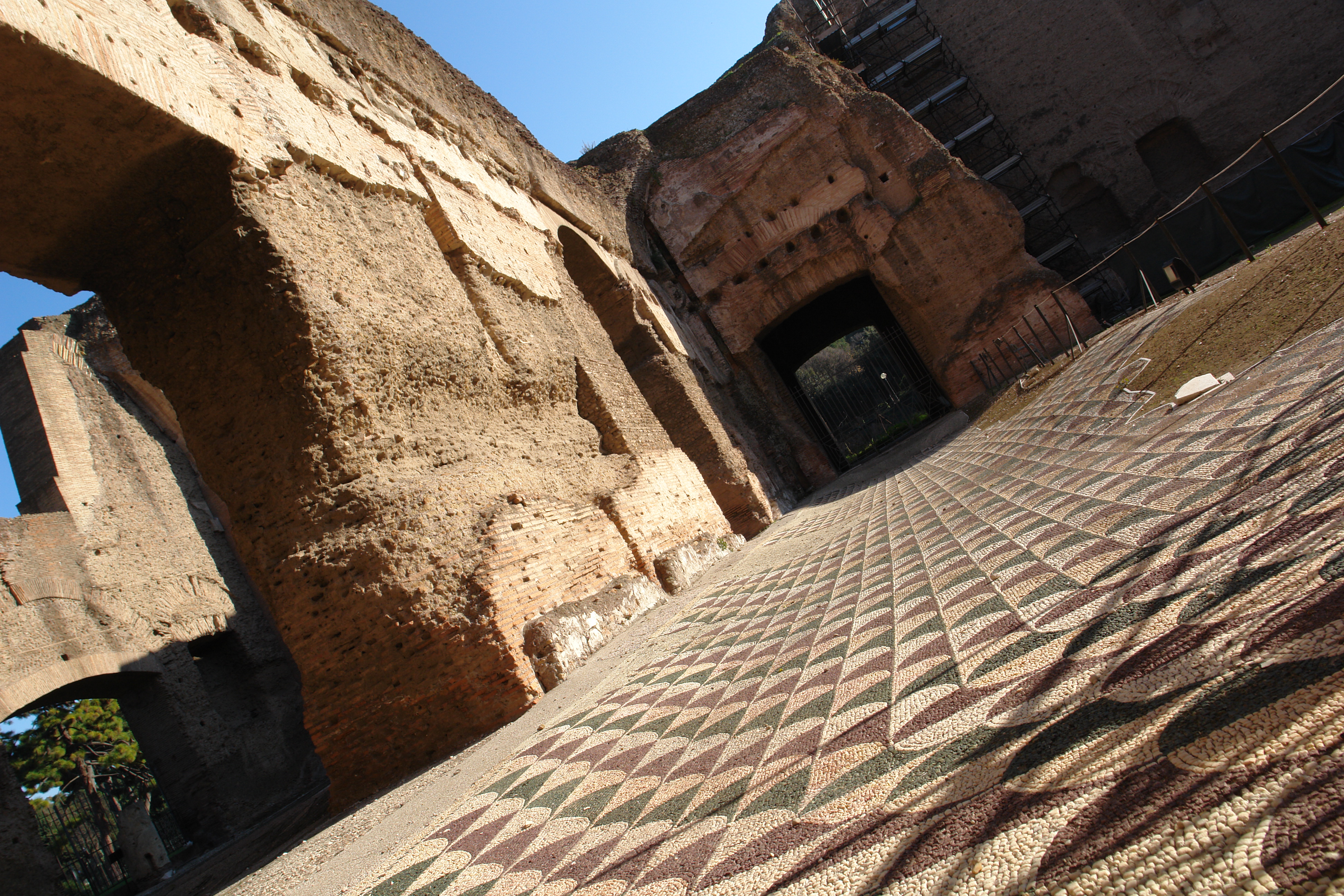
Baths of Caracalla – Built between 212 and 219 A.D., the Baths of Caracalla (more than 50 baths) was the second largest baths complex in ancient Rome. While the complex was originally decorated with elaborate mosaics and statues, only several still remain. However, at 27 acres and room for 1,700 people, the ruins are still well worth the visit as it is quite a magnificent site. The Baths of Caracalla is located just southeast of ancient Rome’s center at Viale delle Terme di Caracalla, +39 06 39967700.
More informations about Rome http://www.besdtholidayinrome.com/en
"Non basta una vita," it is said: One does not have to be one of the countless academics residing in her many foreign institutes to declare that one life is not enough to get to know Roma. You could easily spend nine, like the stray cats that populate the city, and still find more to discover. At each corner of each street there is a multitude of stories to tell, with layer upon layer of history beneath the feet. A modern school occupies a renaissance palace built on the foundations of an imperial bath complex whose mosaics and aqueduct conduits can still be seen, and a baroque church incorporating the structure of a medieval basilica stands on the foundations of a republican temple. These are only two of the myriad stories in Roma, which together hardly even begin to reveal the history of this 3000-year-old city.
Be certain not to miss The Eternal City's Trevi Fountain (remember Anita Ekberg in the classic scene in La Dolce Vita), the Spanish Steps, Piazza Navona, Piazza del Popolo, as well as some of the Roman heritage sights, such as the Pantheon, the Colosseum and the Forum Romanum. Be sure to visit a few of her world-famous churches, such as Il Gesu, S. Giovanni in Laterano and Sta. Maria Maggiore; and the Vatican, which features the incredibly huge St. Peter's Basilica and the unrivaled Vatican Museums. In addition, sunrise on the Gianicolo and sunset on the Pincio, with vistas of a sea of golden domes and bell-towers, are sure to record unforgettable images on the mind.
Not far from Roma you can find the wonderful Ancient Ostia, the ancient port of Rome, where you can enjoy a great day walking among bath complexes, squares, temples, and lots of well-preserved stores, like the Tabernae, an ancient take-away Rome restaurant/pub.
Top Ten Things to Do in Rome
St. Peter’s Basilica – St. Peter’s Basilica is the largest church in the world. This magnificent and ancient structure features a large number of artworks, including Michelangelo’s Pieta, as well as a museum and underground tombs of former popes (grottoes), and a tower, which leads to Michelangelo’s dome. Once you reach the dome observatory, you will enjoy spectacular panoramic views of Rome. Vatican City, Rome, Ph: +39 06 6988 3712, http://www.saintpetersbasilica.org.
The Colosseum – The Colosseum attracts more visitors than any other historic structure in Rome. Tough to miss, the Colosseum reaches 159 feet into the sky and it measures a massive 616 feet by 511 feet. This ancient amphitheater was the setting for public entertainment such as the infamous (and cruel) gladiator combat spectacles as well as other forms of “entertainment.” The Colosseum, which could accommodate 55,000 spectators pouring in from more than eight different entrances, features Corinthian, Doris, and Ionic styles – the ancient world’s classical styles. Address: Piazza del Colosseo Rome, Ph: +39 06 39967700, http://www.pierreci.it.
Trajan’s Market – Considered an excellent example of urban Roman architecture. Built between 107 and 110 A.D., the market consists of warehouses, offices, and shops. Goods such as wine, oil, vegetables, fruits, and other groceries were sold here. The market also contains two spacious halls that were used for educational seminars, speeches, and concerts. Location: Via Quattro Novembre 144 on the Via de Fori Imperali at the opposite end of the Colosseum. +39 06 67900487.
The Pantheon – The 141 foot dome is the major attraction here and until 1436, it was the largest dome in the world. At more than 1,800 years old, the Pantheon offers a look back into the great Roman Empire. The Pantheon is located in the historic center of Rome – Piazza del Rotonda, surrounded by numerous cafes, street vendors, and bustle. Admission is free. Contact: +39 06 68300230.
Vatican Museums – Made up of a collection of some of the world’s most fascinating museums, the Vatican Museums is actually a complex of museums which house hundreds of thousands of artworks – considered the finest collection of art on the planet. The complex includes the one of the most popular attractions in Rome – the Sistine Chapel, as well as Gregorian Egyptian Museum (founded in 1839), the Vatican Pinacoteca (opened in 1932), the Ethnological Missionary Museum (founded in 1926) and the Vatican Historical Museum, to name a few. Vatican City. Fax Reservations: +39 06 69885100 (groups), +39 06 69884019 (individuals), E-mail: visiteguidate.musei@scv.va, http://www.vatican.va/phome_en.htm.
Museum of Roman Civilization – This museum is a little out of the way, but it is a must see for all visitors to Rome. Located in the modern city Esposizione Universale Roma (or EUR), the Museum of Roman Civilization (Museo della Civilta Romana) is considered one of Rome’s most unique and interesting museums. The building itself is divided into 59 sections – each an illustration of the history of Roman civilization. EUR is located roughly 4.3 miles south the historic city center. Contact: +39 06 5926041.
Villa Borghese – If you want to take a break from all of the museums, you can take a stroll through Villa Borghese or visit the Bioparco – Rome Zoo, which sits in the center of the park. Villa Borghese is the largest public park in Rome and it also houses several museums, although there is plenty to do besides museum hopping here. The 148-acre park also has fountains, lakes, temples, and statues to explore. Bioparco: http://ww.bioparco.it.
Piazza Barberini and Triton Fountain – Piazza Barberini features several must-see Rome attractions. Built in 1643, the Fountain of the Triton was created by sculptor Berini. It consists of four dolphins holding an open clam -- Triton sits on the clam. Other attractions here include the Museum of Ancient Art – housed in Barberini Palace, and the Fountain of Bees, Via delle Quattro Fontane, 13, +39 06 32810; +39 06 4814591.
Arch of Septimius Severus – The Arch of Septimius Severus or just “The Arch,” is located at the western end of the Forum, near Capitoline Hill. The well-preserved site
Baths of Caracalla – Built between 212 and 219 A.D., the Baths of Caracalla (more than 50 baths) was the second largest baths complex in ancient Rome. While the complex was originally decorated with elaborate mosaics and statues, only several still remain. However, at 27 acres and room for 1,700 people, the ruins are still well worth the visit as it is quite a magnificent site. The Baths of Caracalla is located just southeast of ancient Rome’s center at Viale delle Terme di Caracalla, +39 06 39967700.
More informations about Rome http://www.besdtholidayinrome.com/en
Part or or all of this text stems from the original article at: http://www.chooseitaly.com/en/


